We install metal roofs — and only metal roofs — on homes, farmhouses, barns, and shops across the CSRA. The right panel in the right gauge, fastened the way the manufacturer intended, so the roof you buy once is the last one the building needs.
Whether you're replacing worn-out shingles on a brick ranch in Martinez, putting a proper roof on a Burke County barn, or specifying standing seam for a new build in Evans, the right panel and the right details matter more than anything else on the job.
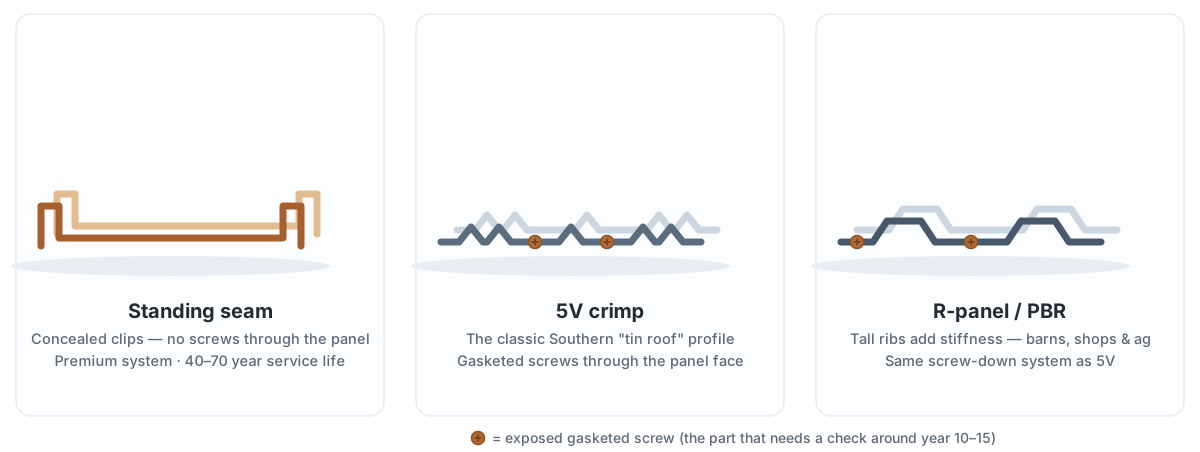
Concealed-fastener panels with clean vertical lines — the longest-lived residential metal system, with no exposed screws to weather out.
The classic Southern profile on farmhouses across Georgia. Costs meaningfully less than standing seam and performs well when fastened and flashed correctly.
In many cases metal can go over a single shingle layer with the right underlayment — saving tear-off cost and landfill fees, when code and decking allow.
Full replacement of aging architectural shingles with a roof that handles Augusta summers instead of being cooked by them — typically the last roof the house will need.
Agricultural buildings, equipment sheds, and barndos across the CSRA's rural counties — durable Galvalume or painted panels sized for the span you're covering.
Warehouses, shops, and light-commercial buildings — long panel runs, proper fastening schedules, and finishes that hold up to full Georgia sun without chalking out.
The CSRA is hard on roofs. A metal roof is the one system that answers all four of the local problems at once.
Augusta summers sit in the 90s with heavy humidity, and dark shingles soak that heat straight into your attic. Painted metal panels with reflective (cool-roof) finishes bounce a large share of solar heat, easing the load on your AC during the long cooling season.
The black streaks on CSRA shingle roofs are algae feeding on the limestone in the shingles — and our humidity accelerates it. Metal doesn't feed algae and doesn't lose granules, so it keeps its look and its function for decades.
Between summer thunderstorms, hail, and tropical remnants — Helene in 2024 showed how rough it can get here — roofs in this region take real abuse. Properly fastened metal panels carry high wind ratings, and impact-rated panels shrug off what destroys brittle, sun-aged shingles.
Architectural shingles in the Georgia sun commonly need replacing in 15–20 years. A correctly installed metal roof is typically a 40–70 year system — one decision instead of three, and a selling point when the house changes hands.
The two guides we wish every customer read before taking any roofer's call, including ours.
Standing seam to stone-coated steel: real costs, honest lifespans, the warranty fine print, and what owners will tell you after a decade under each system — including when shingles win.
What actually goes wrong with metal roofs (fasteners, oil canning, condensation), what never did (lightning, rain noise), and the situations where we'd tell you not to buy one.
Quick ballparks for the CSRA — the full Augusta cost guide breaks down what moves the number on your specific roof.
| System | Typical installed range |
|---|---|
| Exposed-fastener (5V / R-panel) | ~$7–$12 per sq ft |
| Standing seam | ~$12–$18+ per sq ft |
| Architectural shingles (comparison) | ~$4.50–$7 per sq ft |
On a typical 1,800 sq ft roof, most metal projects land in the $14,000–$28,000 range installed. See the full cost guide →
On a house, no — panels go over solid decking and underlayment, with your attic insulation below. Rain noise is comparable to shingles. The "loud metal roof" memory comes from barns, where panels span open framing with nothing underneath.
Modern panels are Galvalume-coated steel (aluminum-zinc alloy) or aluminum, usually with a factory paint system on top. Kept free of debris and with cut edges properly detailed, rust isn't a practical concern for decades — and coastal salt air isn't an issue this far inland.
Lower gauge = thicker steel. 29-gauge is the economy option common on big-box quotes; 26-gauge resists hail, foot traffic, and oil-canning better and is what we recommend for most CSRA homes. The cost difference is small relative to the roof's life.
Augusta and the CSRA on both sides of the river: Martinez, Evans, Grovetown, Hephzibah, North Augusta, Aiken, Thomson, Waynesboro, and the surrounding counties. Rural properties and farms included.
More answers: cost questions · standing seam · going over shingles · 5V & farm roofing
Based in the Augusta area, working both sides of the Savannah River.
Augusta
Martinez
Evans
Grovetown
Hephzibah
Blythe
North Augusta, SC
Aiken, SC
Thomson
Harlem
Waynesboro
Appling
Free on-site estimate, a measured quote, and an honest comparison of your panel options — no pressure, no satellite-photo guesswork.
Call (706) 222-3651